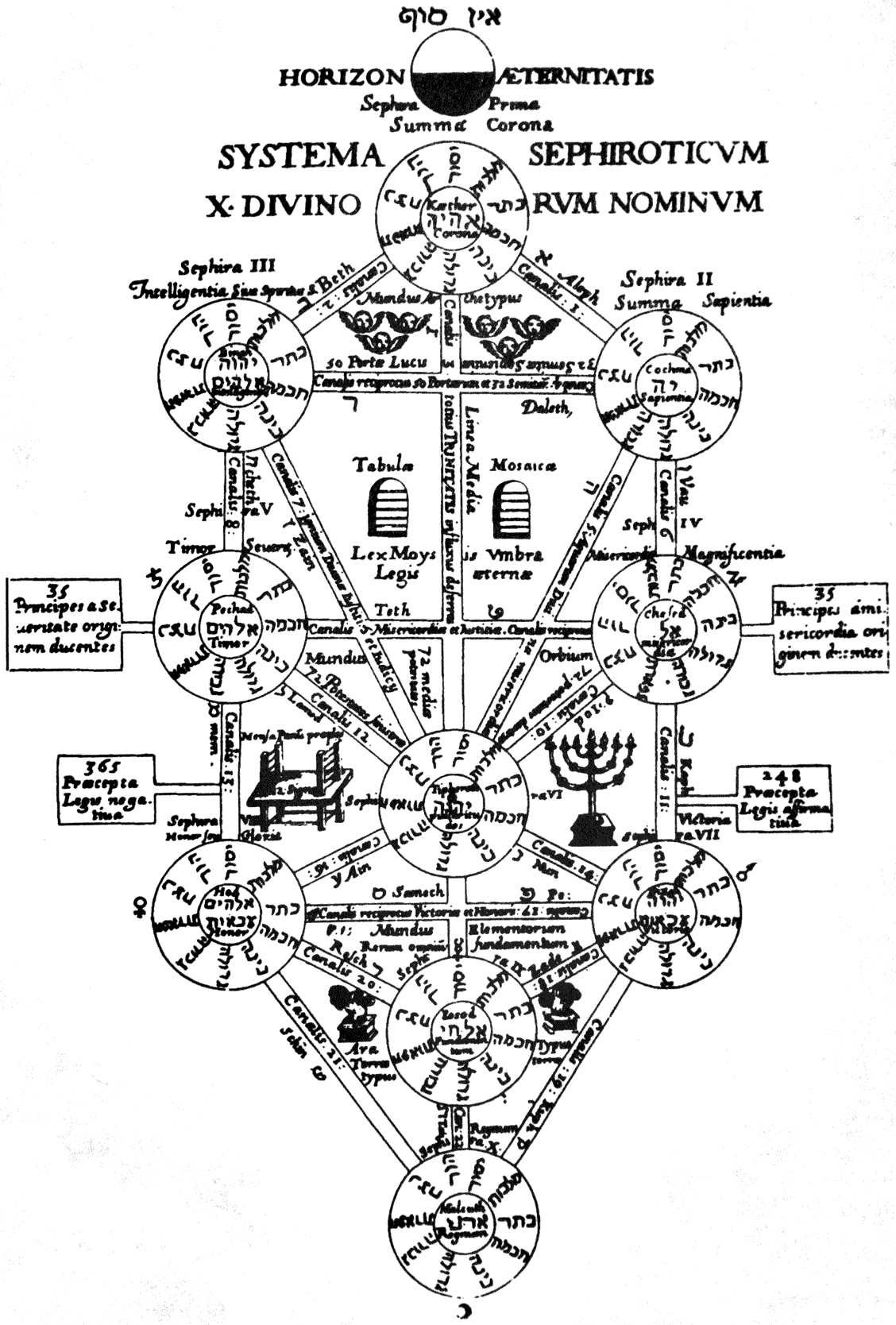
The classical sources and relationships form a network of esoteric knowledge, centered around the concept of Kabalah. This ancient Jewish mystical tradition is intertwined with various philosophical, spiritual, and symbolic practices, revealing a profound system of thought that transcends religious boundaries. Through the analysis of these connections, we will examine the mystical underpinnings of Kabalah, exploring its relationships with alchemy, mysticism, and the pursuit of hidden knowledge.
Historical & Symbolic Context
The Kabalah, a manifold esoteric tradition, is deeply rooted in Jewish mysticism, exploring the nature of God, the universe, and the soul. Its intricate system of thought is reflected in the relationships with traditional doctrines, such as the Tau, a symbol of unity and infinity, and the concept of the Great Work in alchemy. The Kabalah's connection to the Talmud and Hebrew writers highlights its significance in preserving and transmitting ancient knowledge.
The relationships between Kabalah and other entities, such as Masonic associations, Dupius, and Reuchelin, demonstrate the tradition's influence on various spiritual and philosophical practices. The Kabalah's emphasis on the cyclical nature of spiritual transformation and renewal is echoed in the French Revolution, symbolizing the continual cycle of symbolic rebirth and destruction. This cycle is also reflected in the actions of St. Paul, who, in his efforts to preserve or destroy past knowledge and mysteries, exemplifies the Kabalistic principles of transformation and renewal.
The Johannite Orient, representing the mystical origins and Great Revealer, holds the secrets of human omnipotence and the Kingdom of God within the Kabalah. This concept is intertwined with the idea of the lever, symbolizing points of strength or fulcrums in human activity. The Kabalah's relationship with the Theological Trinity and Gospels demonstrates its attempt to apply mystical understandings to Christian theology, highlighting interconnected spiritual concepts in different religious traditions.
The connections between Kabalah and other entities, such as Enoch, Cadmus, and the concept of Color Sympathetism, illustrate the tradition's significance in the transmission of wisdom and the development of symbolic systems. The Kabalah's influence on various spiritual and philosophical practices is further demonstrated by its relationships with the Divine Apocalypse, True Catholicism, and the concept of I Think, Therefore I Am.
Bibliographia & Fontes
Primary Source Books Used in This Article
The doctrines, historical citations, and symbolic correspondences synthesized in this article are drawn from the following primary works and chapters:
- I.Éliphas Lévi, Transcendental Magic: Its Doctrine and Ritual (Dogme et Rituel de la Haute Magie)1856 / 1896 trans.
Translated and Annotated by A. E. Waite
Chapters / Sections Consulted:Part I: The Doctrine of Transcendental Magic · Part II: The Ritual of Transcendental Magic - II.Manly P. Hall, The Secret Teachings of All Ages1928
An Encyclopedic Outline of Masonic, Hermetic, Qabbalistic and Rosicrucian Symbolical Philosophy
Chapters / Sections Consulted:Ch. “Pythagorean Mathematics” · Ch. “Qabbalistic Keys to the Creation of Man”
Further Inquiry in This Cycle
Companion Studies & Disputations
Eve, Psyche & Neurotics in Kabbalah, Numerology
In this essay, we examine the esoteric realm of this hermetic lineage, examining the symbolic relationships between Psyche, Eve, and the substance…
Kabalah, Cadmus & Jacques Brusson in Kabbalah, Numerology
By examining the connections between Kabalah, Tau, Reuchlin, Picus de Mirandola, and other entities, we will trace the threads of a profound philosophical…
St. Paul, French Revolution & Dupius in Kabbalah, Numerology
Paul tradition, weaving together the threads of Masonic associations, the Kabalah, and various historical and mythological figures. Through a deep analysis…
Hebrew Writers: The Preservation of Ancient Knowledge
This essay explores the significance of Pistorius and the Hebrew writers in the preservation and dissemination of ancient knowledge, particularly within…
The Alchemical Pursuit of the Great Work
This essay examines the mystical world of this hermetic lineage, where the pursuit of the Great Work is paramount. The Great Work, a central concept in…
True Catholicism: The Eschatological Conundrum
Through an analysis of their relationship, we will explore the tensions between prophecy and tradition, and the hermeneutical challenges that arise when…
Heritage of Jewish Tradition
Central to this community is the Talmud, a source of secret and traditional knowledge, which is deeply rooted in Jewish tradition. The works of Galatinus…
The Evolution of Self and Supreme Being: A Philosophical Synthesis
Moses (MOSHE) embodies a paradoxical figure, symbolically representing the intersection of old and new religious and intellectual paradigms. As a…
The Kabbalah Unveiled (S. L. MacGregor Mathers)
Containing the foundational translations and esoteric commentaries on the Book of Concealed Mystery, the Greater Holy Assembly, and the Lesser Holy Assembly from the Zohar.