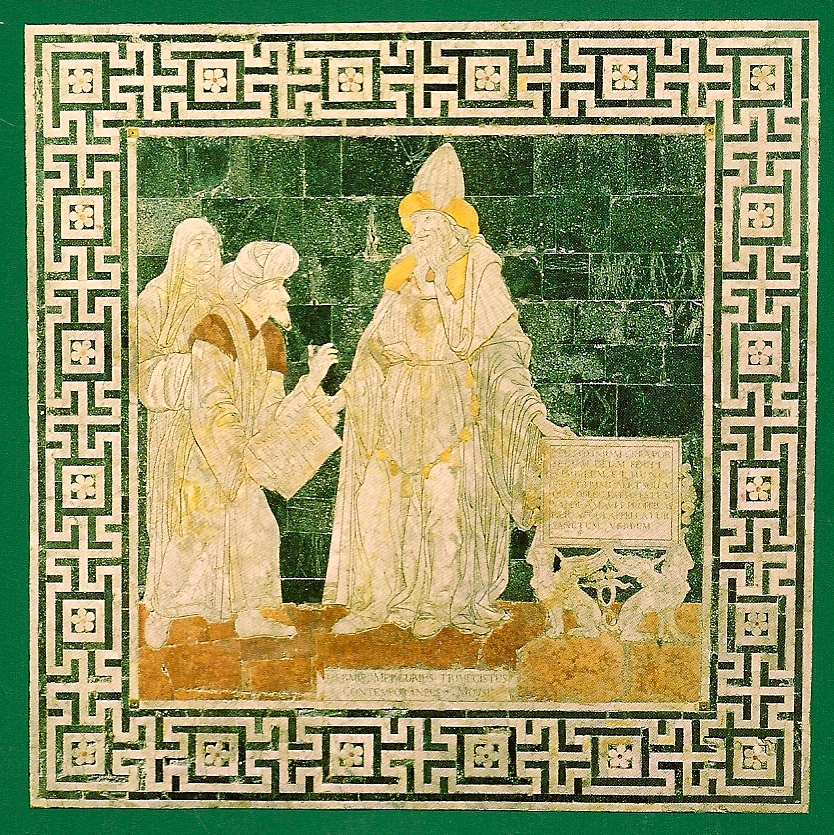
By examining the connections and interactions between entities such as Aristotle, Francis Bacon, Alexander the Great, and others, we uncover a rich body of ideas, influences, and legacies that have shaped the course of Western philosophy. Through a careful analysis of these relationships, we gain insight into the evolution of philosophical thought, the transmission of knowledge, and the enduring impact of key figures on the development of human understanding.
The Aristotle-Bacon Axis
Central to this hermetic lineage is the profound influence of Aristotle, whose philosophical teachings have had a lasting impact on Western thought. Aristotle's tutelage of Alexander the Great, as well as his own philosophical legacy, are testaments to the enduring power of his ideas. Francis Bacon, a key figure in the scientific revolution, was heavily influenced by Aristotle's emphasis on empirical observation and the importance of practical knowledge. Bacon's own contributions to the development of the inductive method and his involvement in Freemasonry and secret societies further highlight the significance of Aristotle's legacy in shaping the trajectory of modern thought.
The Interplay of Eclecticism and Skepticism
The philosophical landscape of this hermetic lineage is also characterized by the interplay of eclecticism and skepticism. Pyrrho, a founder of skepticism, and his follower Strato, influenced the development of eclecticism, a philosophical approach that combines elements from various schools of thought. This eclecticism is evident in the works of Francis Bacon, who sought to reconcile philosophical and empirical approaches to understanding the world. Meanwhile, the skepticism of Pyrrho and Strato serves as a counterpoint, emphasizing the limitations of knowledge and the importance of questioning established truths.
Scholastic and the Emergence of Empiricism
The Scholastic tradition, represented by thinkers such as Thomas Aquinas and Scotus, played a significant role in shaping the philosophical landscape of this hermetic lineage. Aquinas's engagement with Aristotle's work and his own formulation of Augustinianism demonstrate the ongoing influence of Aristotelian thought. However, the emergence of empiricism, exemplified by Francis Bacon and Thomas Hobbes, marked a significant shift away from the scholastic tradition and toward a more empirical approach to understanding the world.
Legacy of the Aristotle
The Aristotle tradition represents a rich body of philosophical ideas, influences, and legacies that have shaped the course of Western thought. Through the relationships and interactions between key figures, we gain insight into the evolution of philosophical thought, the transmission of knowledge, and the enduring impact of influential thinkers on the development of human understanding. As we reflect on the philosophical heritage of this hermetic lineage, we are reminded of the importance of engaging with the ideas and legacy of the past in order to better understand the complexities of the present and to forge a deeper appreciation for the ongoing quest for knowledge and wisdom.
Bibliographia & Fontes
Primary Source Books Used in This Article
The doctrines, historical citations, and symbolic correspondences synthesized in this article are drawn from the following primary works and chapters:
- I.Manly P. Hall, The Secret Teachings of All Ages1928
An Encyclopedic Outline of Masonic, Hermetic, Qabbalistic and Rosicrucian Symbolical Philosophy
Chapters / Sections Consulted:Ch. “Introduction to Symbolical Philosophy” · Ch. “Bacon, Shakspere, and the Rosicrucians” · Ch. “Conclusion”
Further Inquiry in This Cycle
Companion Studies & Disputations
The Enduring Legacy of Aristotle
Through an analysis of the entities and relationships presented, we will explore the profound influence of Aristotle's teachings on various philosophical…
Alexander The Great & Philip King Of Macedon
Central to this philosophical exploration is the triadic relationship between Alexander, Philip, and Aristotle. Philip, as Alexander's father and king…
The Nexus of Esotericism and Intellectual Pursuits
By examining the connections between Francis Bacon, Ben Jonson, and other key figures, this analysis reveals a rich body of intellectual pursuits…
The Eclecticism of Pyrrho
This essay explores the philosophical relationship between Pyrrho, the founder of Skepticism, and Eclecticism, a philosophical approach that combines…
Rose Crose Watermark: Cryptic Legacy of Baconian Ciphers
By analyzing the relationships between Baconian ciphers, the Shakespearian Folio (1623), and the Rose Crose watermark, we uncover a philosophical framework…
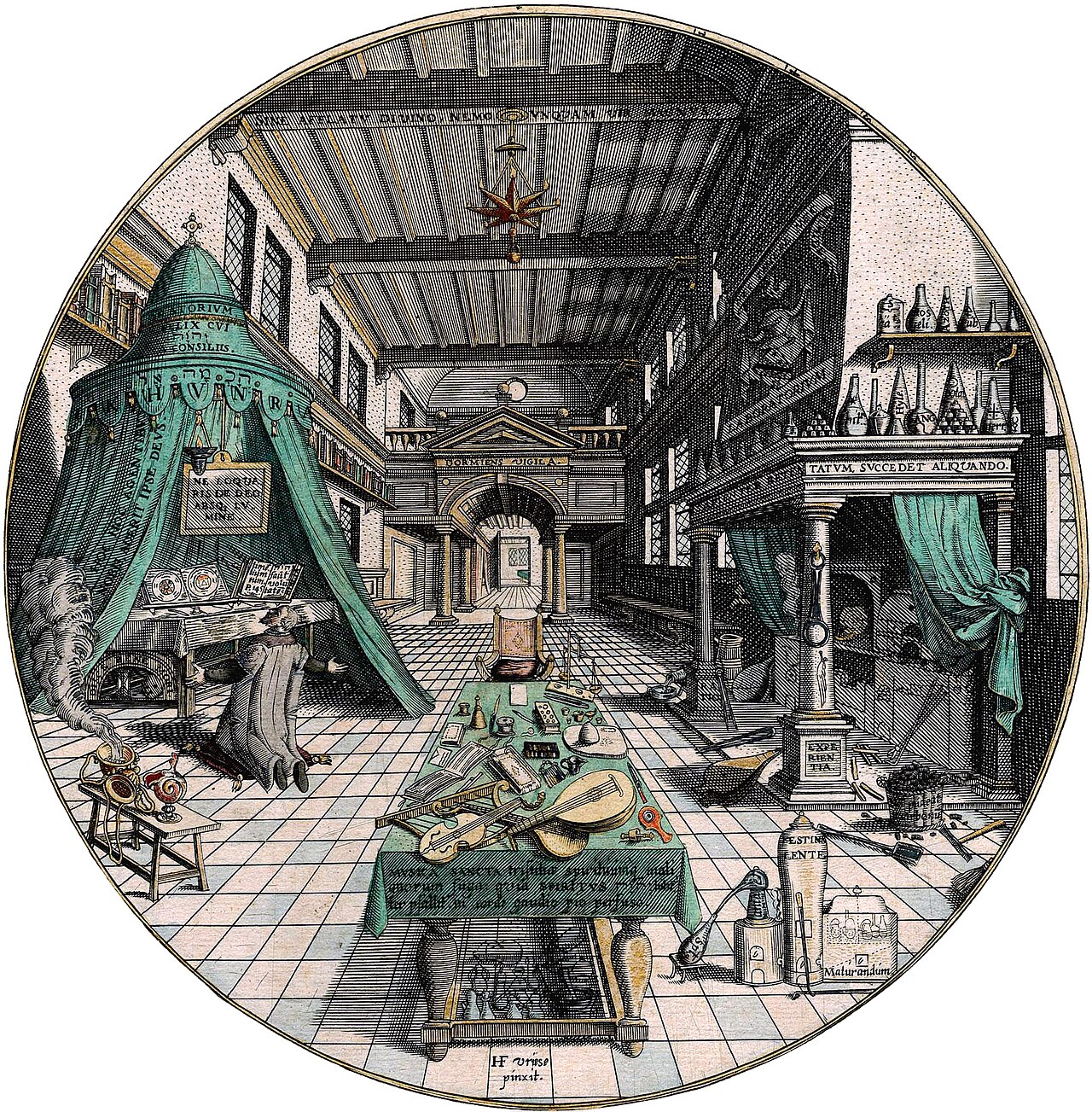
The Hermetic Museum: Restored and Enlarged (Waite Edition)
A compendium of twenty-two celebrated seventeenth-century alchemical treatises on the Philosopher’s Stone, the Tria Prima, and the Spagyric Art, translated and annotated by Arthur Edward Waite.